
When typhoons, earthquakes, floods, or landslides strike, collapsed cellular base stations, damaged fiber-optic trunk lines, and power grid failures can leave affected areas cut off from communication networks within minutes. During the critical early stages of a rescue operation, a loss of connectivity between frontline teams and the central command center can prevent live HD video from reaching decision-makers and disrupt the coordination of personnel and supplies, increasing both operational risks and response challenges.
Emergency communication vehicles serve as mobile communications hubs for frontline response teams. Their ability to establish a high-capacity, fiber-like wireless backhaul link within minutes of arriving on site can make a critical difference to response times and operational decision-making.
Challenges: Three Key Limitations of Conventional Emergency Backhaul
When terrestrial fiber infrastructure is damaged, deploying a wireless backhaul link from an emergency communication vehicle typically involves three major technical challenges:
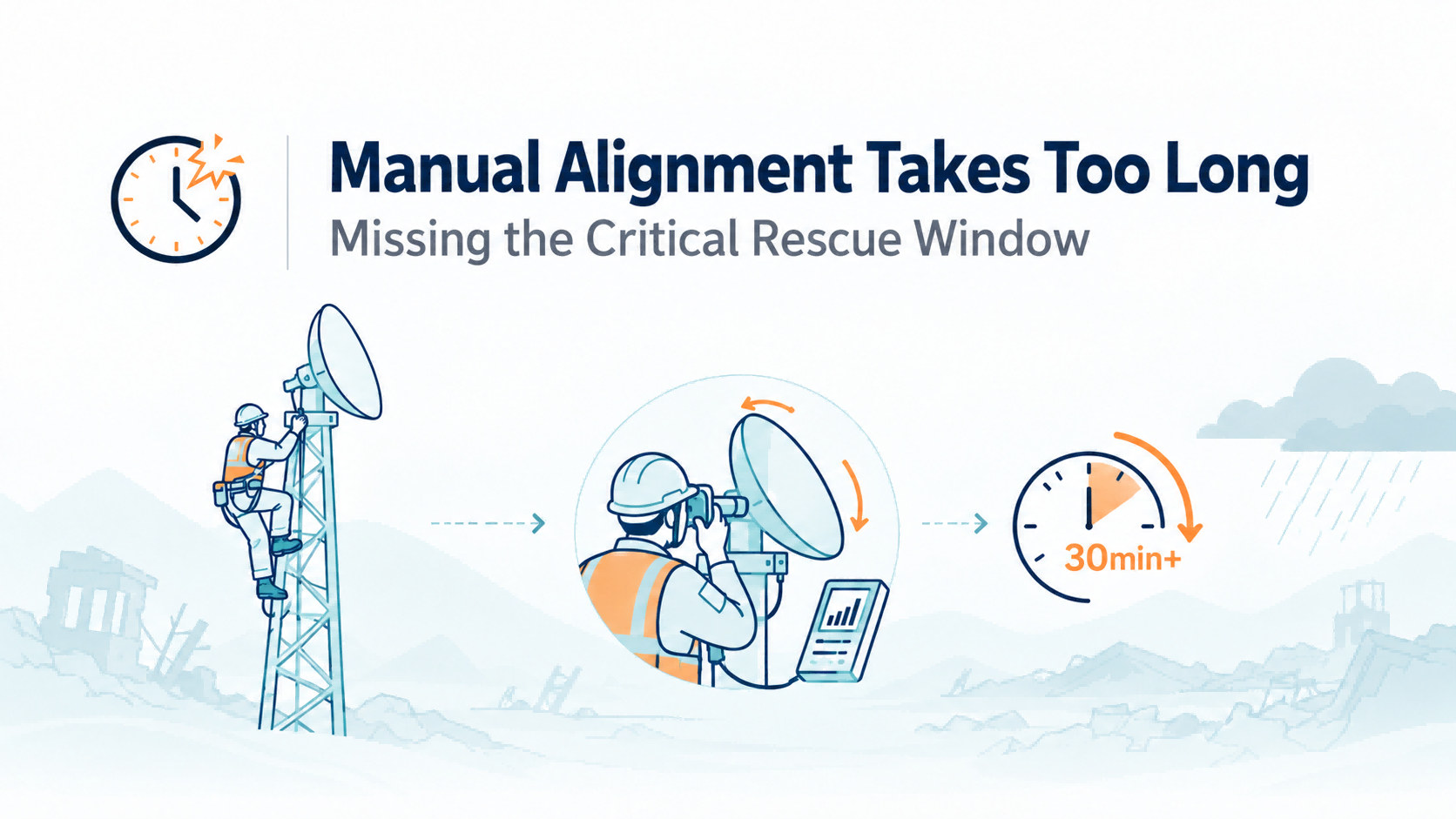
1. Time-Consuming Manual Alignment Delays Emergency Response
Conventional microwave and large-aperture point-to-point antennas often require manual alignment. Responders may need to carry signal-testing equipment and, in some cases, climb towers or support structures despite the risk of secondary hazards. Using binoculars and signal-level meters, they repeatedly adjust antenna azimuth and elevation. This process can take anywhere from 30 minutes to several hours, with poor visibility at night or in severe weather making alignment even more difficult.
2. Satellite Bandwidth Limitations Constrain High-Capacity Backhaul
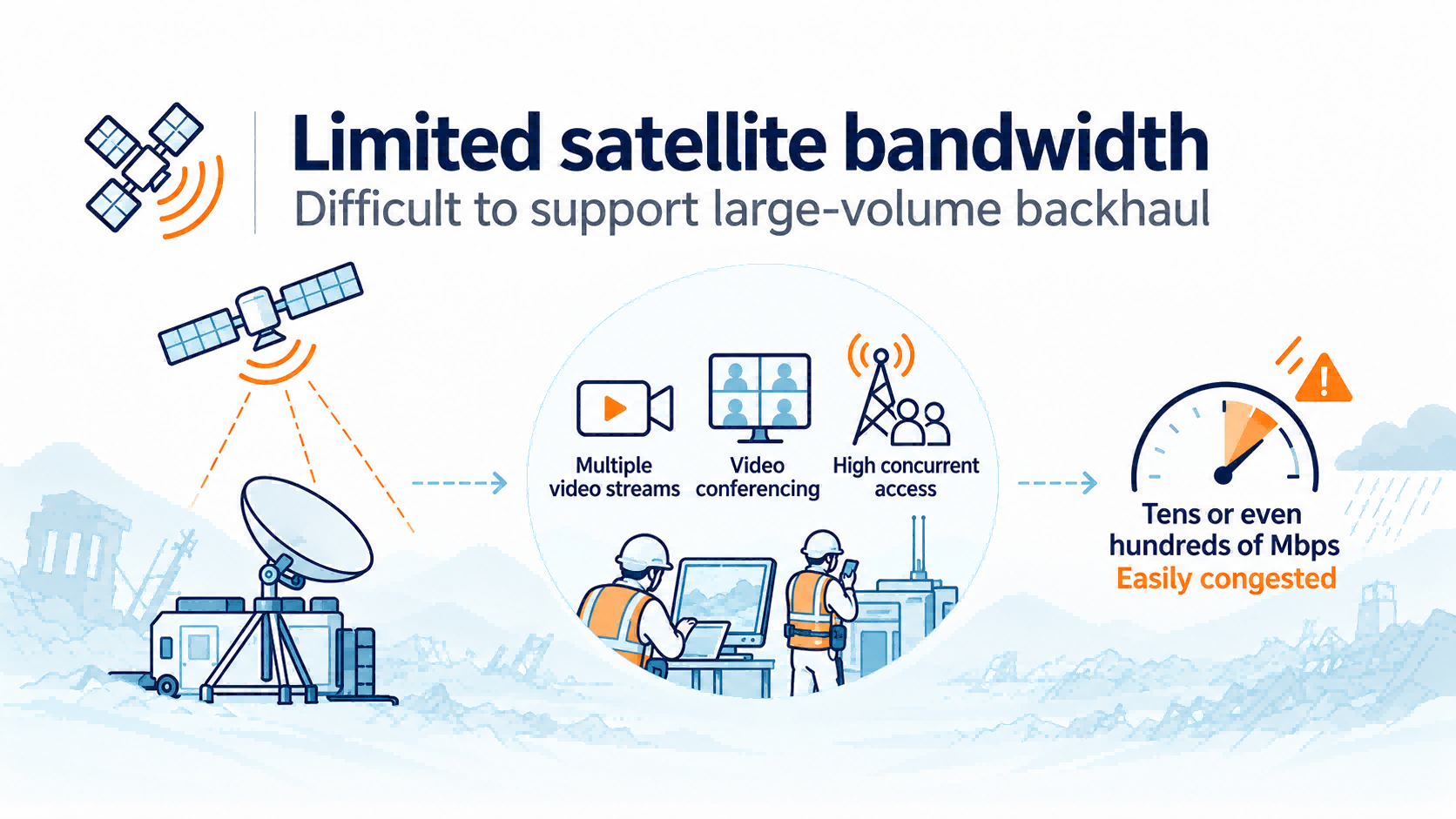
Satellite communications, including VSAT and low Earth orbit (LEO) services, are less dependent on damaged terrestrial infrastructure. However, available bandwidth and bandwidth costs may still limit their use for data-intensive operations. Simultaneously transmitting multiple HD video feeds, running command-center video conferences, and supporting connectivity for hundreds of responders can put considerable strain on satellite links with capacities in the tens or hundreds of megabits per second.
3. Changing Site Conditions Make Wireless Links Unstable
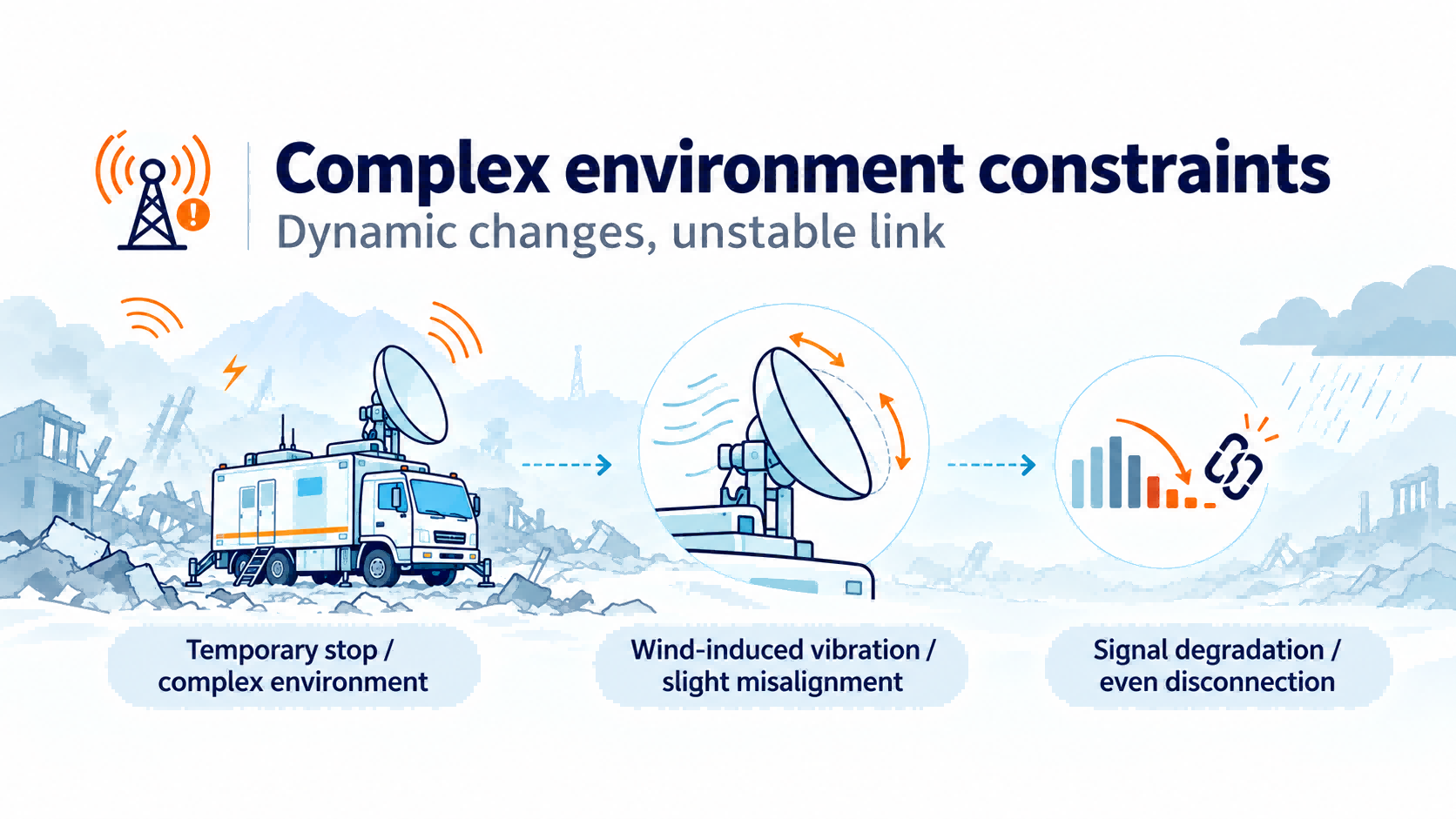
Disaster sites may present challenging radio-frequency conditions, disaster-affected terrain, and temporary vehicle positions subject to slight movement or vibration. With conventional fixed directional antennas, even small changes in antenna orientation caused by wind, vibration, or vehicle repositioning can significantly weaken the signal or interrupt the link.
Solution: Auto-Tracking Microwave Antennas for Emergency Communication Vehicles
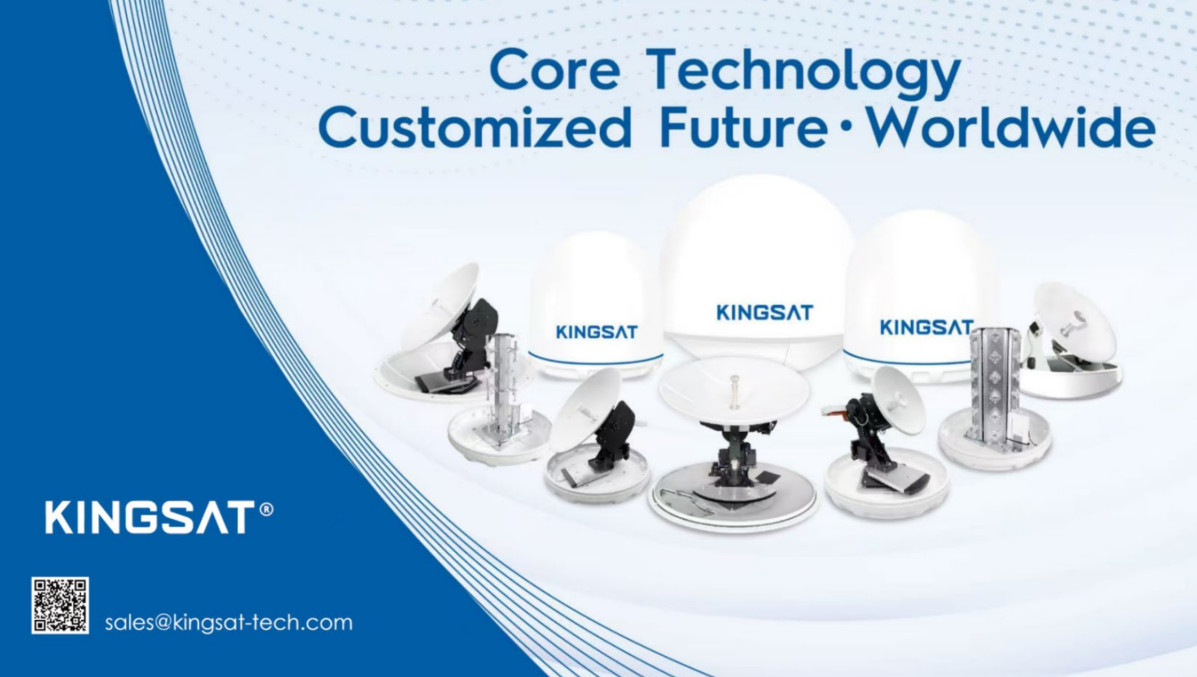
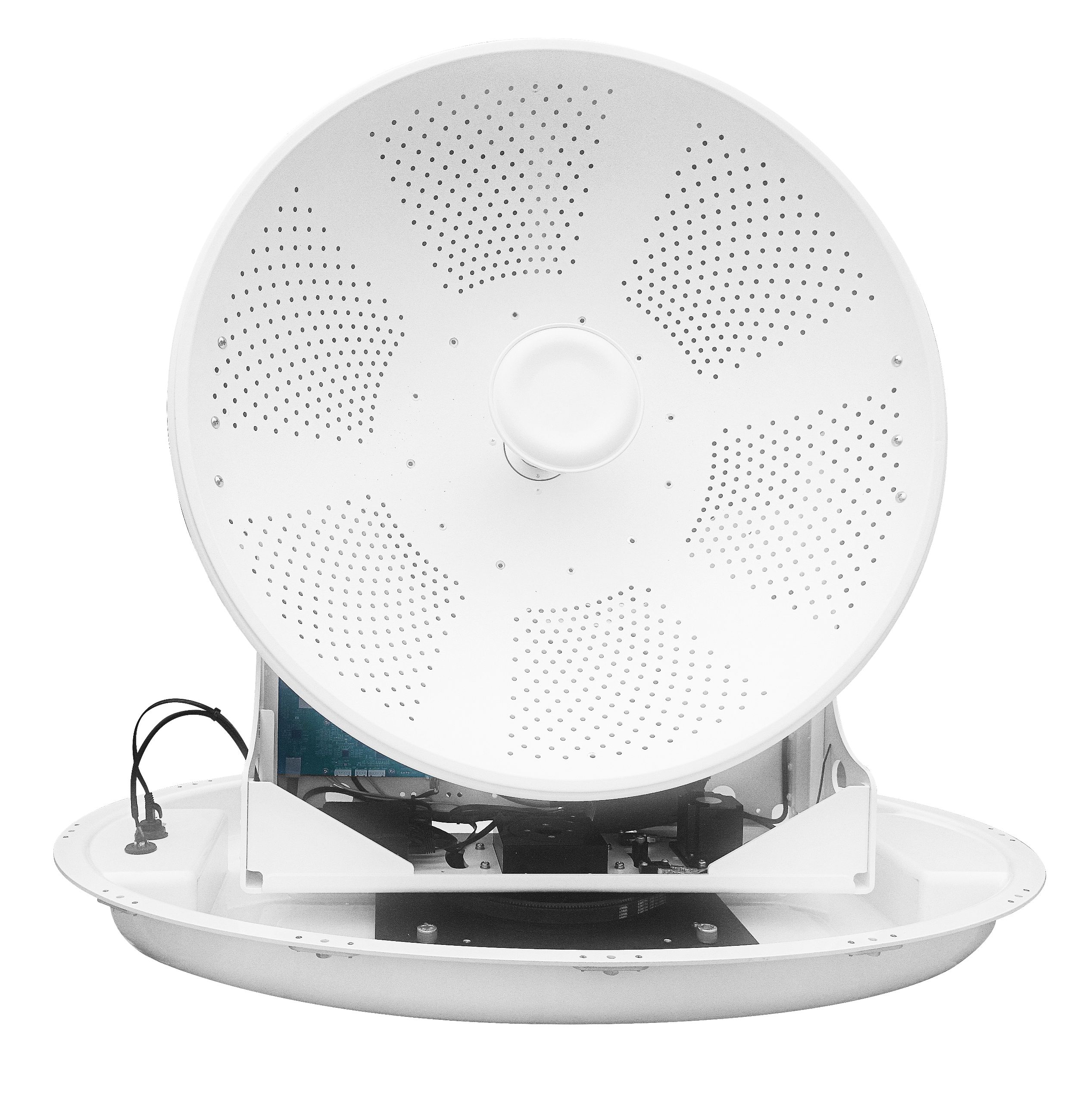
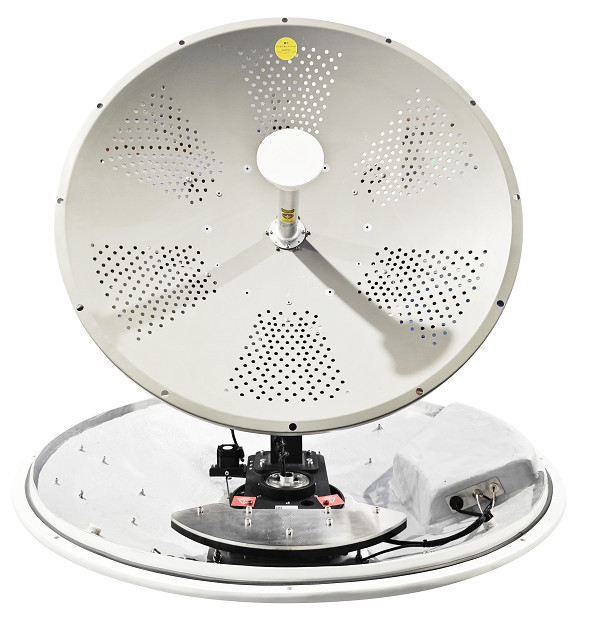
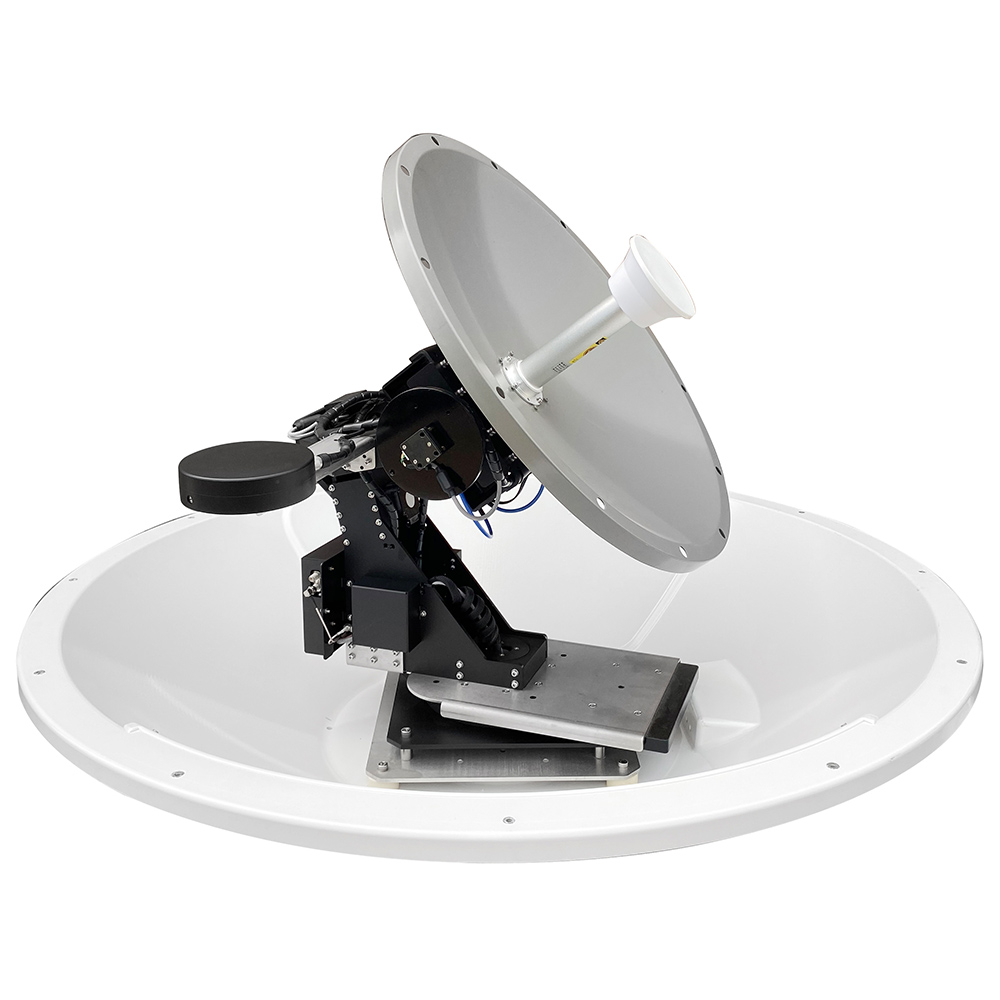
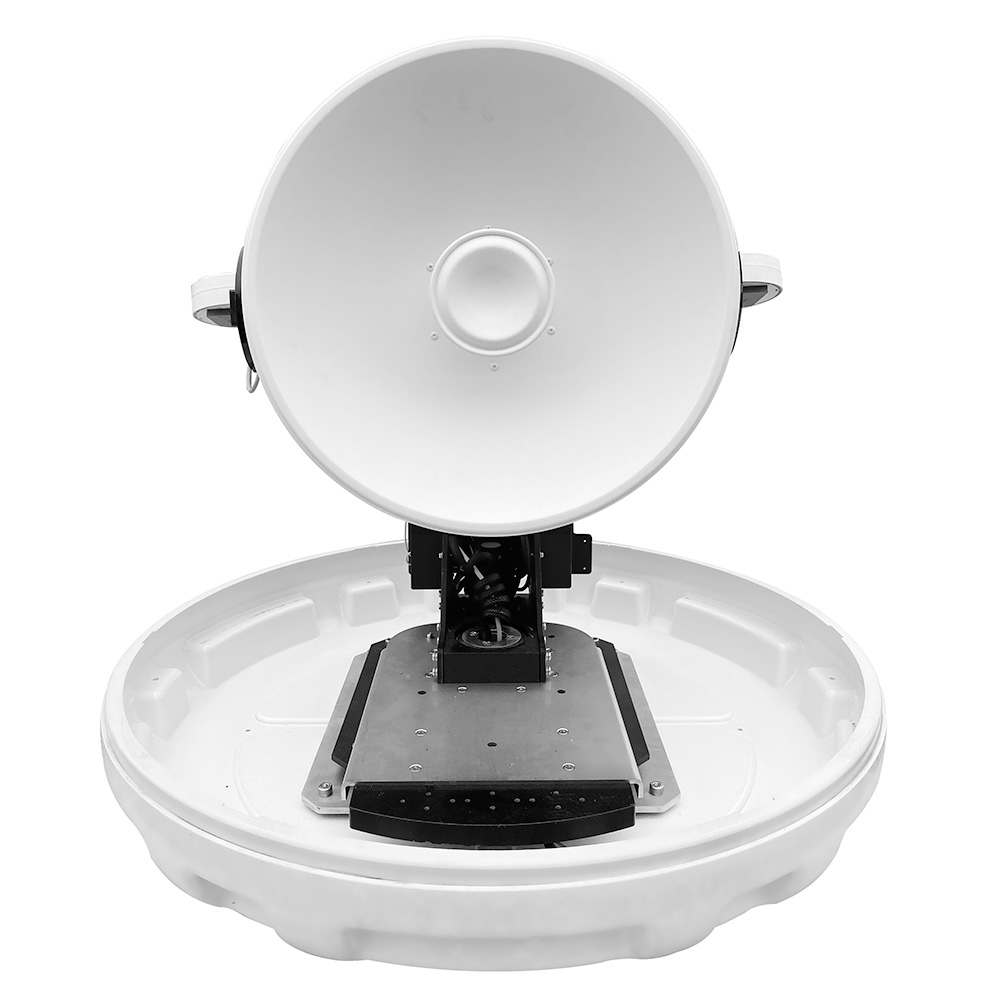
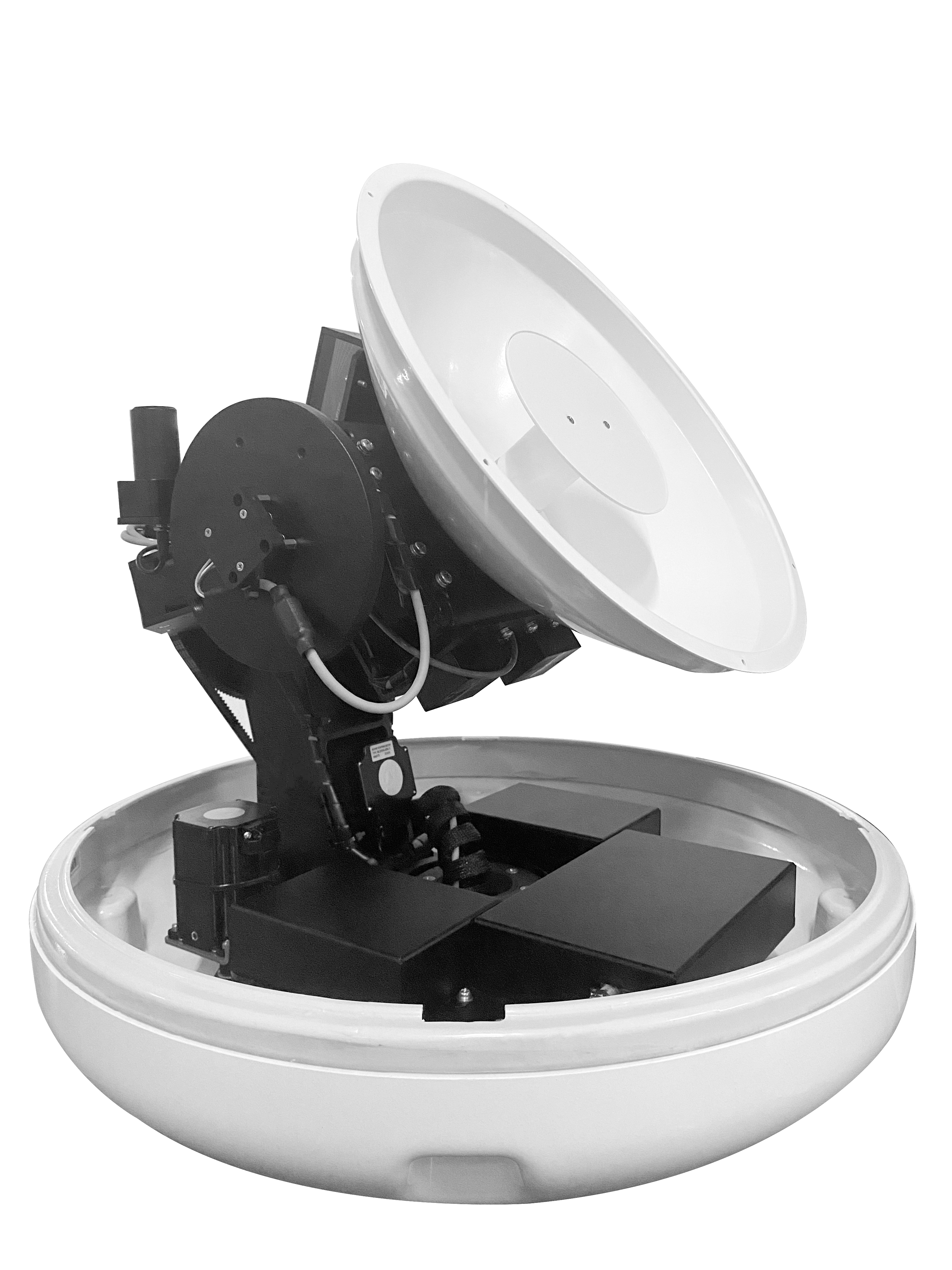
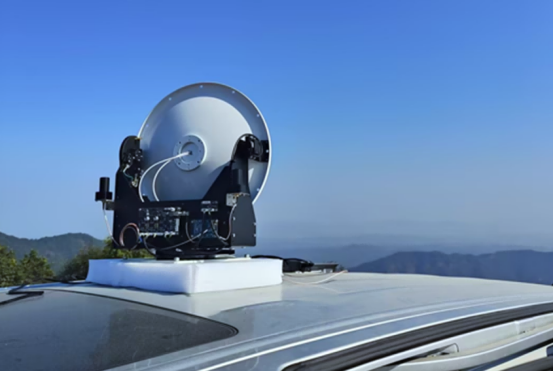
To address these challenges, KINGSAT offers its ML Series auto-tracking microwave antenna solution, designed specifically for emergency communication vehicles. It enables rapid deployment of a high-speed wireless backhaul link, with automatic alignment that minimizes the need for manual intervention.
1. Up to 2.5 Gbps of Fiber-Like Backhaul Throughput
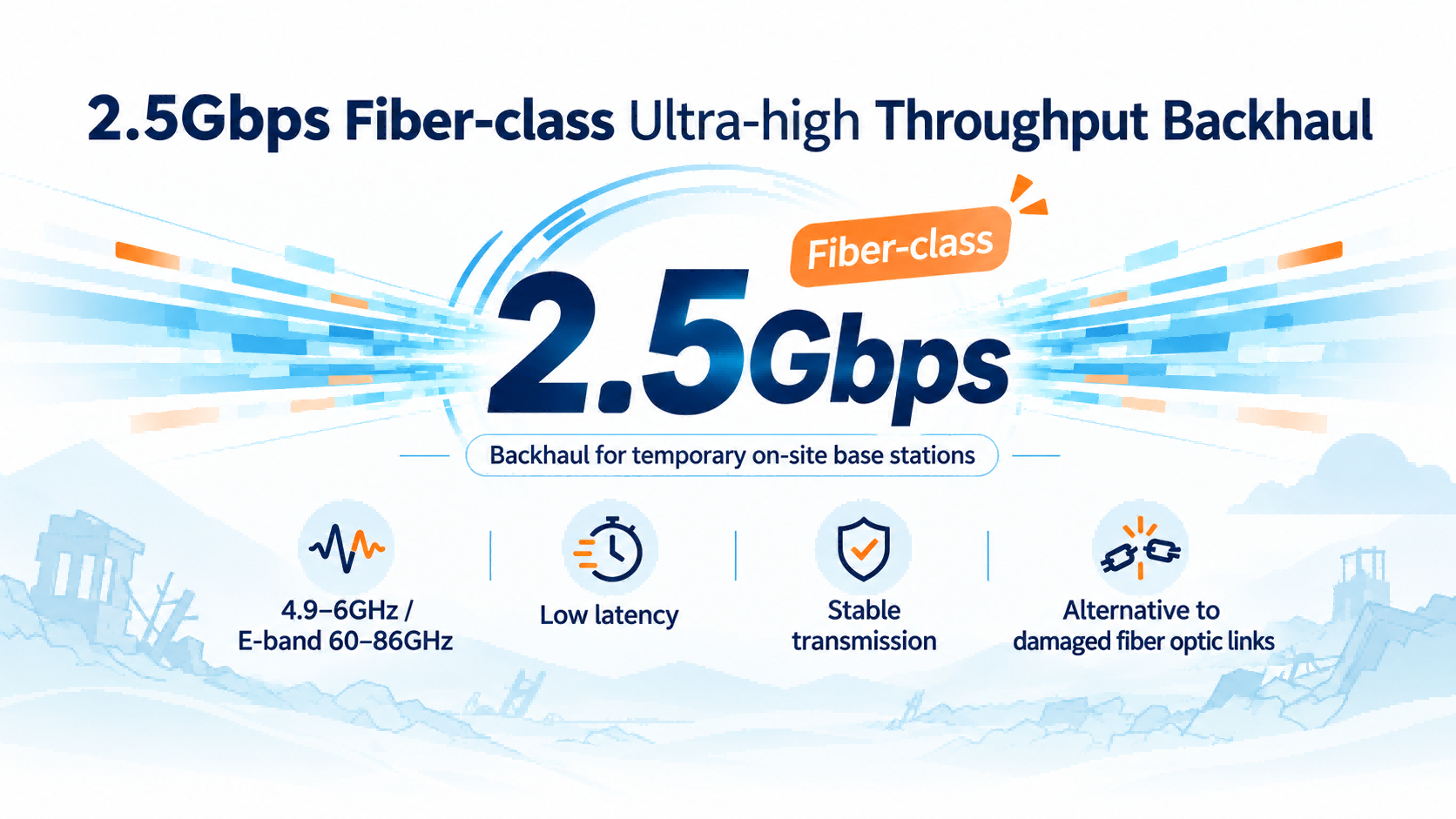
The system integrates an industrial-grade, high-speed point-to-point microwave modem and supports conventional microwave frequencies from 4.9 to 6 GHz, as well as millimeter-wave operation across the stated 60–86 GHz range. In the specified high-frequency configuration, it can deliver up to 2.5 Gbps of net aggregate throughput with millisecond-level latency. This provides temporary field base stations with high-capacity wireless backhaul when fiber connections are unavailable.
2. VHF Mesh Networking and Coordinate-Based Alignment Beyond Public Network Coverage
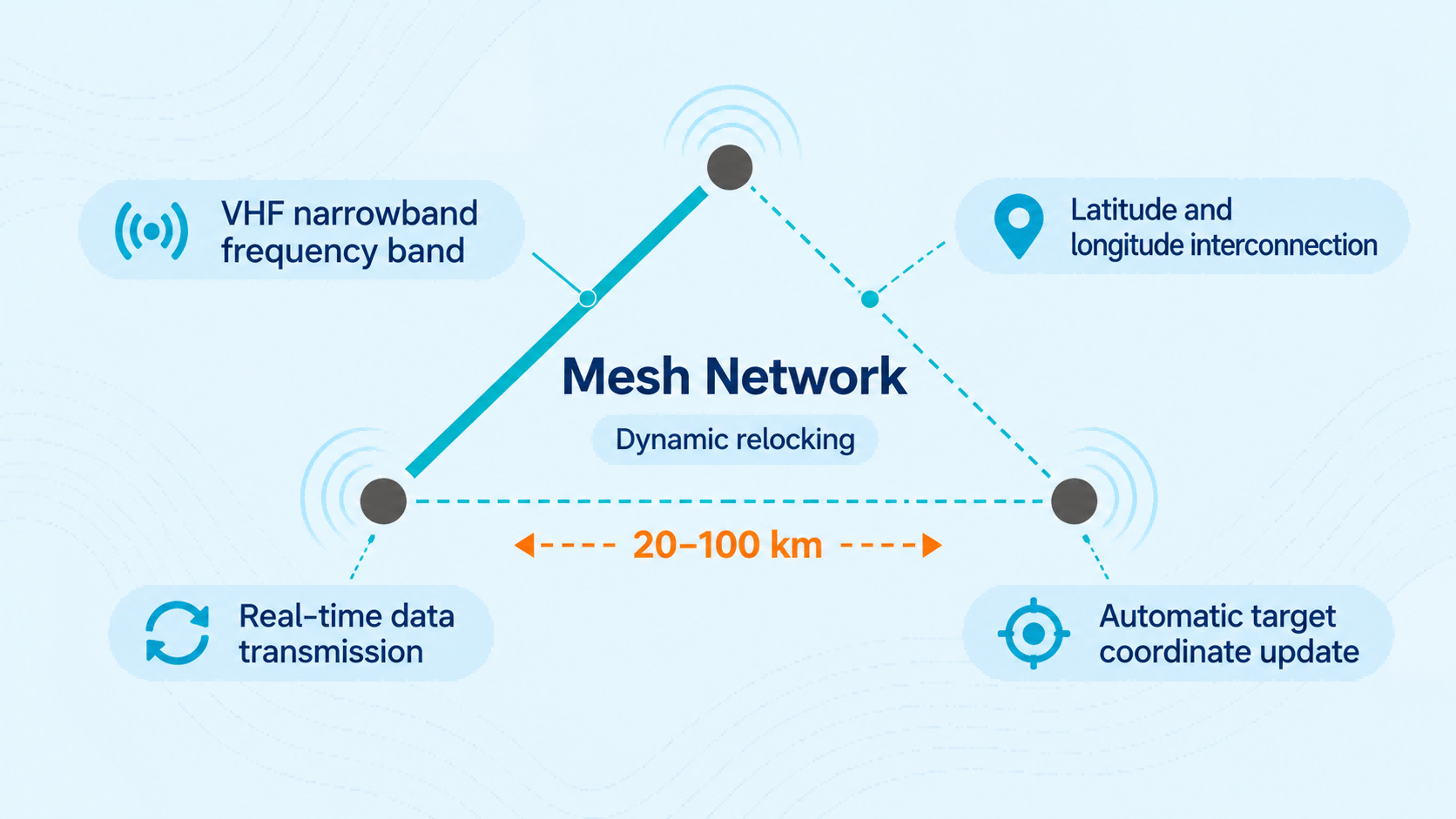
In areas with no public mobile network coverage or limited connectivity, the KINGSAT solution can work with VHF narrowband data radios to form a Mesh network. Mobile nodes can exchange location coordinates in real time over narrowband links spanning a stated 20–100 km range. When an emergency communication vehicle moves or changes its parking position, the antenna can use updated target coordinates to realign and reacquire the link.
3. Cloud-Based Remote Management and Dual-Axis Servo Stabilization
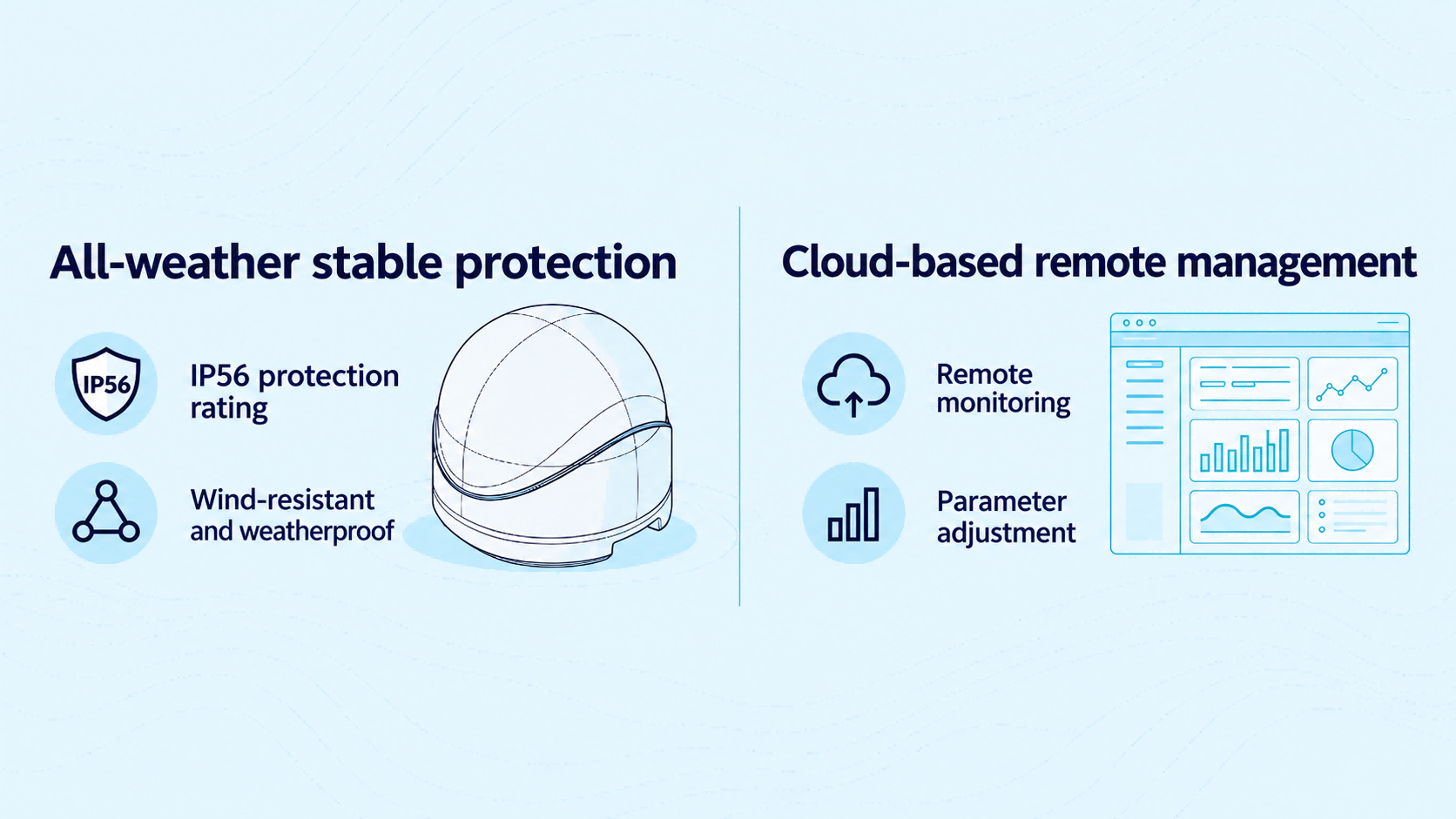
The antenna features an IP56-rated enclosure and a streamlined protective radome designed for wind resistance and outdoor weather exposure. Through the www.microwave-track.com cloud platform, operators can remotely check antenna operating status and signal levels, control the system, and adjust parameters, reducing the need for on-site maintenance and troubleshooting.
Benefits: Enhanced Disaster Response Communications
For emergency management agencies, telecom operators, and public safety organizations, including police and fire services, KINGSAT auto-tracking microwave antennas offer four practical benefits:
1. Faster Link Establishment for Time-Critical Response
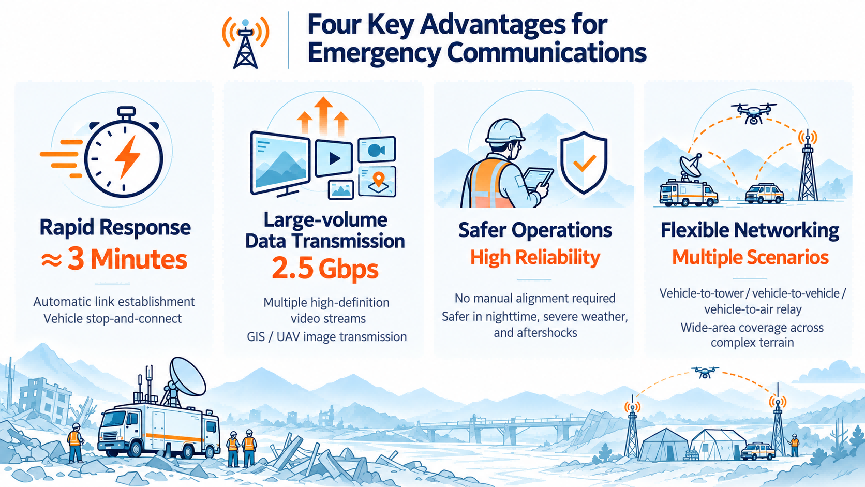
Automated geographic coordinate calculations and servo tracking can reduce link establishment time from hours to under three minutes. Once the vehicle is parked, the system can automatically identify and align with a suitable connection point, helping response teams restore backhaul connectivity sooner and make better use of the critical rescue window.
2. High-Capacity Data Links for Real-Time Command Decisions
With a throughput of up to 2.5 Gbps and low latency, the system can help overcome the capacity constraints of satellite-only backhaul. Frontline command teams can access multiple HD video streams, 3D geographic information system (GIS) layers, and live UAV video feeds to support situational awareness and decision-making.
3. Safer Deployment in Hazardous Environments
Automatic antenna alignment reduces the need for personnel to climb structures or make manual adjustments during heavy rain, at night, or amid aftershocks. This can improve setup efficiency while reducing exposure to hazardous working conditions.
4. Flexible Network Topologies for Difficult Terrain
The system supports point-to-point backhaul between emergency communication vehicles and fixed base-station towers, as well as vehicle-to-vehicle links. It can also be used in point-to-point or relay configurations involving tethered balloons or unmanned aerial vehicles (UAVs). Where mountains obstruct a direct path, appropriately positioned relay nodes can help extend backhaul coverage around terrain obstacles.
Conclusion: Building a Rapidly Deployable Wireless Backbone for Disaster Relief
When conventional communications infrastructure fails, the KINGSAT auto-tracking microwave antenna system enables emergency communication vehicles to establish a high-capacity wireless backhaul link delivering up to 2.5 Gbps of throughput in under three minutes under specified deployment conditions. By enabling rapid deployment and automatic antenna alignment, the system transforms conventional fixed microwave links into a flexible, rapidly deployable mobile backbone for disaster-response operations.
Contact us: sales@kingsat-tech.com Official website: www.kingsat-tech.com
Youtube: http://www.youtube.com/@kingsatmaritimeantennas4640