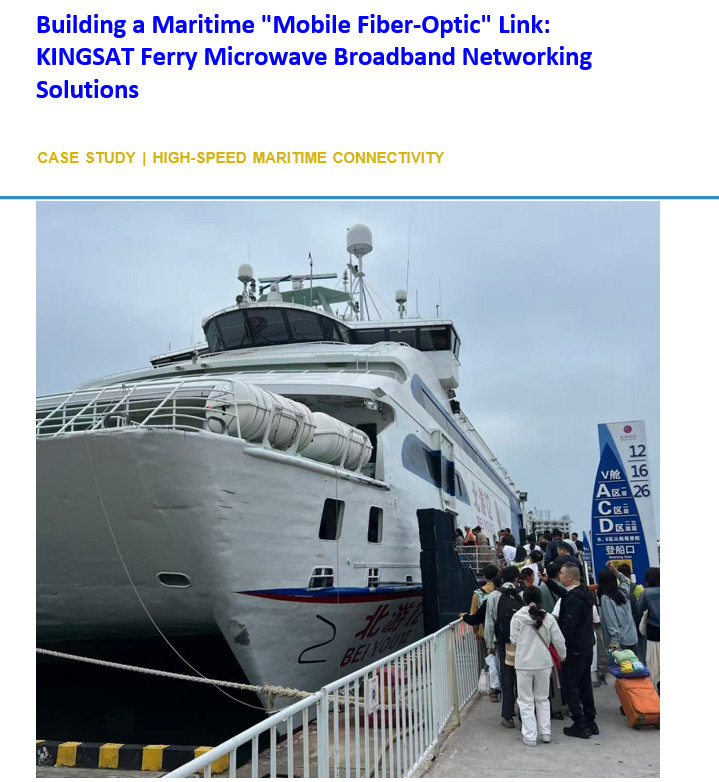
With the rapid growth of smart ocean initiatives and high-end coastal tourism, the demand for high-speed maritime broadband aboard high-speed passenger ships, Roll-on/Roll-off (Ro-Ro) vessels, and tourist ferries is surging. Traditional satellite communications (VSAT) or public cellular networks (4G/5G) often struggle to handle high-density concurrent tourist internet access and real-time multi-channel HD video transmission simultaneously.
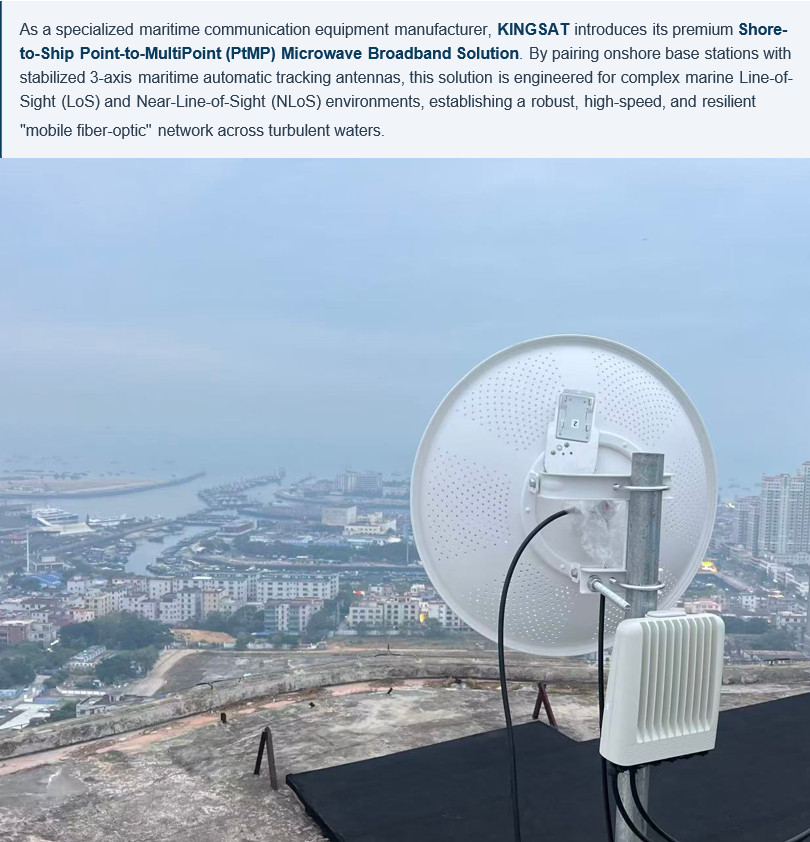
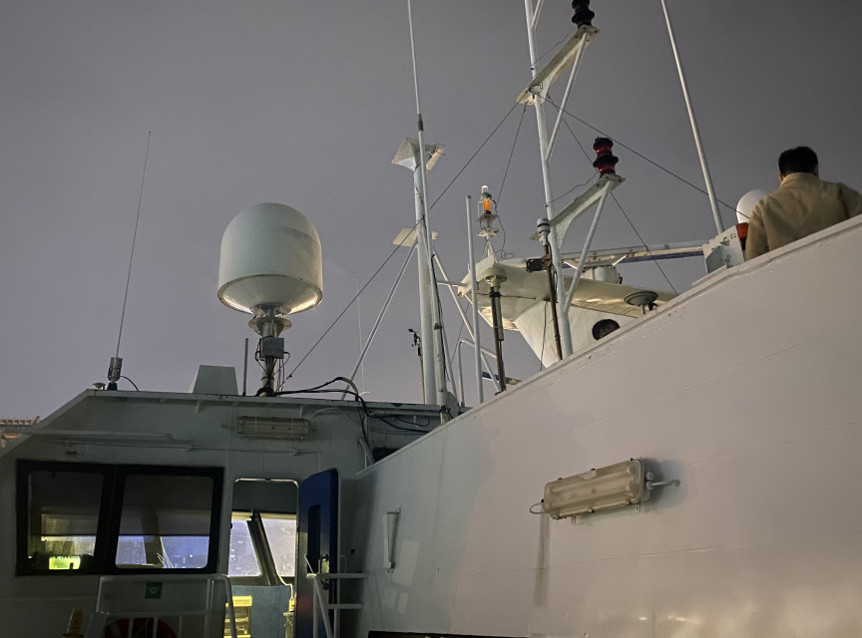
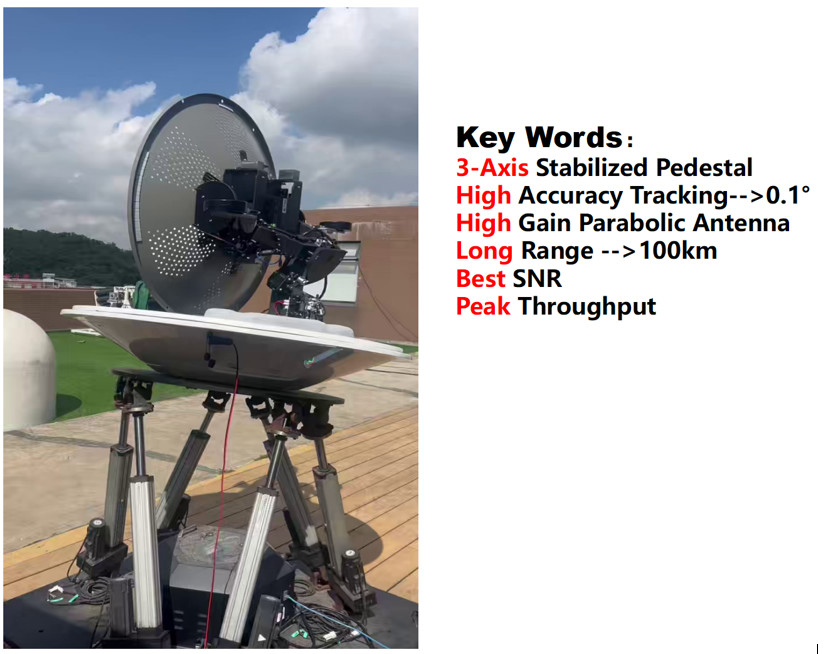
1. Core Advantages of KINGSAT 3-Axis Automatic Tracking Antennas
Under rough sea conditions, ship movements—specifically roll, pitch, and yaw—can easily disrupt directional microwave links. KINGSAT's vessel-mounted automatic tracking antennas serve as the foundation of link stability, powered by an advanced hardware servo system:
2. Overcoming Bandwidth Bottlenecks: Up to 200+ Mbps per Vessel
By leveraging carrier-grade high-capacity microwave backhaul technology, a single onshore base station can achieve an aggregate network throughput of up to 1500 Mbps. Under a Point-to-MultiPoint (PtMP) network architecture, the system stably delivers at least 200 Mbps of dedicated high-speed access bandwidth to each ferry.
This massive capacity easily satisfies high-density Wi-Fi demands for hundreds of onboard passengers, simultaneous multi-channel CCTV surveillance backhaul, and real-time bi-directional HD video streaming for maritime information systems—eliminating network latency and bandwidth shortages.
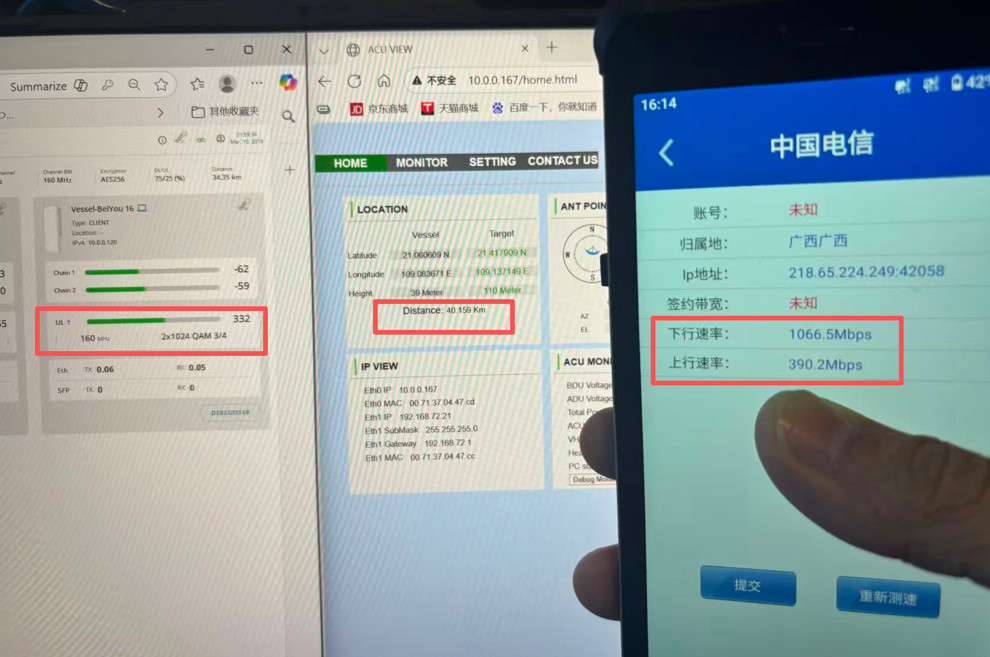
3. Highly Resilient PtMP Architecture: Seamless Scalability & Roaming
Using a star-topology PtMP configuration, this architecture significantly reduces capital and operational expenditures (CAPEX/OPEX) for service providers and ship owners:
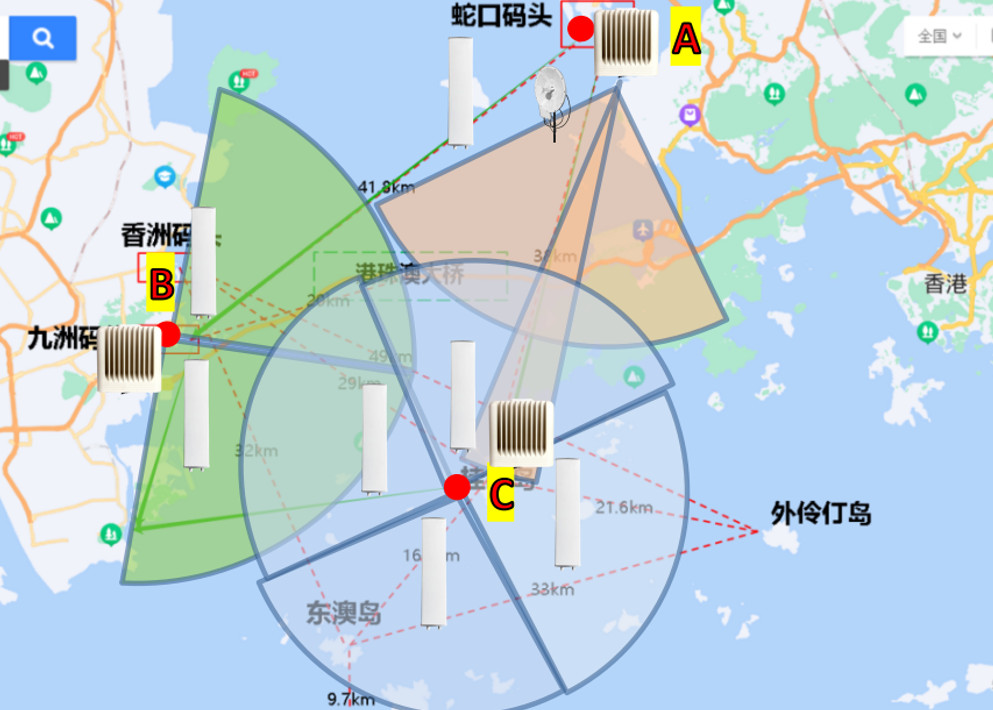
4. Remote Monitoring & Simplified Operations
The entire network—comprising shore base stations and ship-mounted tracking antennas—is managed via a unified, intelligent Network Management System (NMS). Operators can monitor antenna tracking status, Received Signal Strength Indicators (RSSI), Signal-to-Noise Ratios (SNR), and real-time throughput from an onshore command center. Remote configuration and remote diagnostics greatly reduce the costly need to send technicians offshore for troubleshooting.
Typical Application Scenarios
• Broadband network coverage for coastal and inter-island passenger ferries and luxury cruise vessels.
• High-capacity data transmission for offshore support fleets (e.g., pipe-laying ships, cable layers, research vessels).
• High-speed point-to-point connections and emergency communications between shore and offshore oil/ gas platforms or marine farms.
_________________________________________________________________
KINGSAT is redefining the boundaries of mobile access. By employing automatic microwave tracking technology as a "mobile fiber link," maritime operators can bypass the constraints of subsea cabling, deploying high-performance network backhaul links instantly across any mobile scenario.