Friends who frequently travel ocean routes, especially shipowners and chief engineers responsible for global routes, often encounter a very troublesome problem: "Our ship usually watches TV well, but as soon as it docks near the equator (like Indonesia, Singapore, or certain parts of Africa), the signal starts playing hide-and-seek." Even though it's a sunny day with satellites right overhead, the TV keeps freezing or even loses signal altogether. ”
Today, I'll break it down for you: why the equator is the "hundred-wood block" of satellite antennas, and how we solve this problem with three-axis stabilization technology.
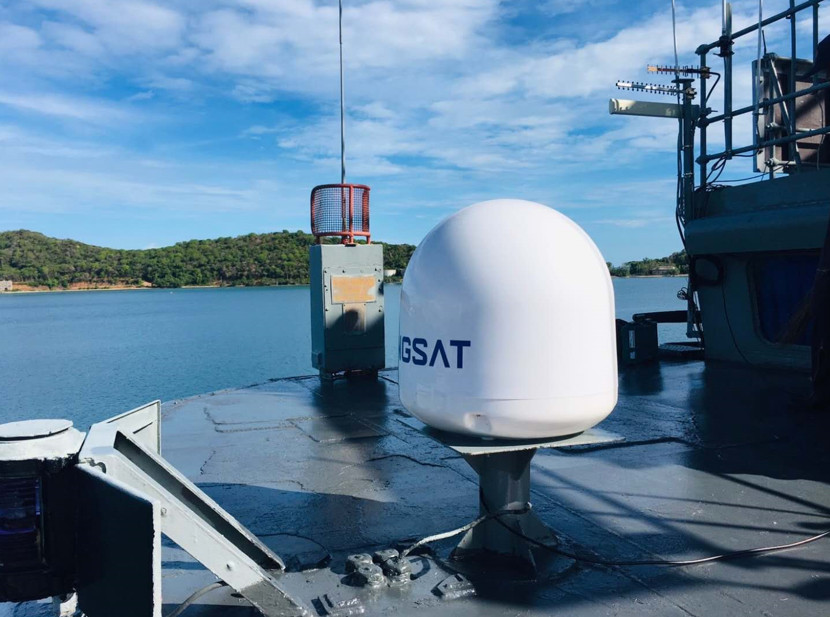
01. Challenge: The "Zenith Blind Spot" Disappearing Overhead
Let's start with a technical term: elevation. In most sea areas, satellites are positioned diagonally overhead, visible when the antenna is raised. But at the equator, geostationary satellites are almost directly above the ship, with elevation angles often reaching 85° or even close to 90°.
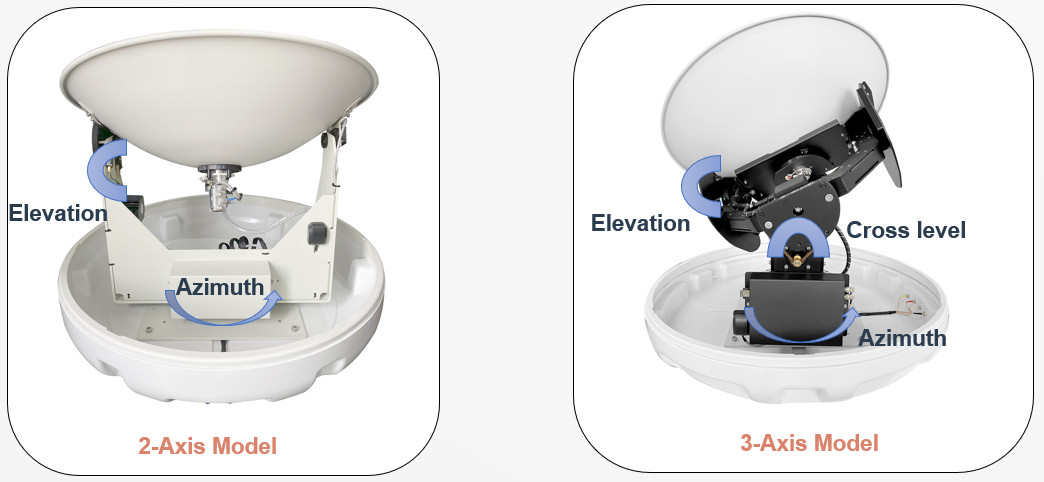
At this point, traditional 2-axis (azimuth + pitch) antennas encounter a physical bottleneck:
1. "Zenith Blind Spot": It's like standing there wanting to watch a bird fly overhead. If your neck can only move up and down (nod) and turn (direction), when the bird flies directly above, you have to turn around frantically to keep up. At sea, ships roll side to side. Because the two-axis antenna lacks a "balance hand" that can swing sideways, when the satellite passes overhead, the motor speed can't keep up with the ship's swing, causing the signal to be lost instantly.
2. Dramatic polarization angle: When crossing from high latitudes to the equator, the signal polarization angle (Skew) changes dramatically. If the antenna does not automatically adjust this angle, the signal strength will plummet.
3. The crew's "welfare crisis": Ocean life is inherently dull, and the TV is the crew's only pastime. If the connection drops during a critical flight period, everyone must feel uneasy.
02. Solution: KINGSAT X Series 3-axis stabilization platform
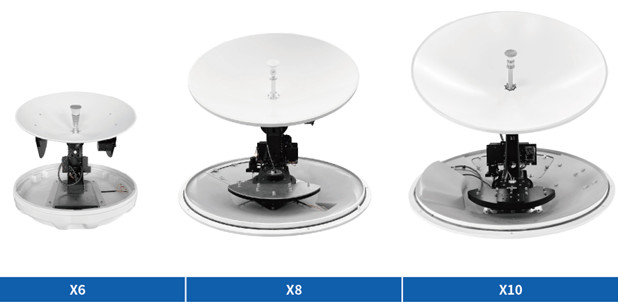
To address this pain point, KINGSAT has specially developed the X series (X6, X8, X10) three-axis automatic tracking maritime satellite TV antennas. This solution not only adds an extra "axis" but also represents a comprehensive technological upgrade.
1. An extra "hand" (horizontal scroll): The X Series uses a 3-axis stability architecture. Simply put, it has an extra motor that can roll horizontally left and right compared to the 2-axis. When the satellite is at the zenith and the ship is rocking, the three axes work together, allowing the antenna to seamlessly "flip" and track like a relay jump race.
2. Ultra-wide "head-up" capability: The X series antennas have an astonishing pitch angle range of -5° to 115°. This means it can not only look directly overhead but even flip backward. Even when the satellite is directly above 90° vertically, it can easily break through the traditional 85° tracking blind spot, completely eliminating over-top blind spots.
3. Fully automatic "turn direction": The antenna is equipped with a global satellite database and high-precision sensors. As long as the ship is moving, it automatically "twists" the polarization angle to the most accurate position, ensuring the signal is always full.
4. Patented tracking algorithm: Relying on 20 years of RF experience, this algorithm ensures that under extreme swings, the pointing accuracy deviation is less than 0.2°. Even if you drive through the big waves, the TV screen remains as steady as an old dog.
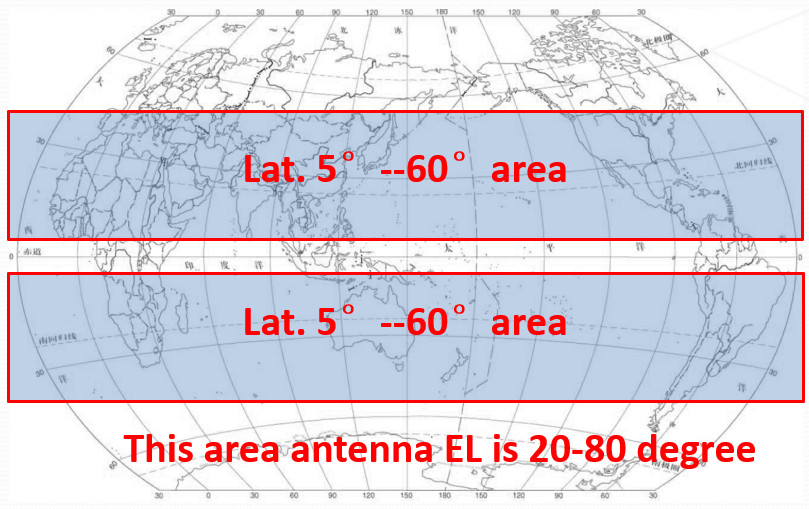
3. Benefits: Global Navigation, Entertainment "Zero Break"
1. Seamless viewing in equatorial waters: This is the most tangible benefit. With the X series, whether between Indonesia's archipelagos or across the South American equator, crews no longer face the awkwardness of "satellites overhead, signals in the clouds." Global routes truly achieve round-the-clock uninterrupted entertainment.
2. Adapts to various "perverse" sea conditions: 3-axis construction is more wave-resistant than 2-axis. Whether the ship is turbulent or rolling, the 3-axis platform can use three-way compensation to stabilize the antenna in the direction of the satellite. Tests have proven it is very suitable for global commercial cargo ships, oil tankers, and large yachts.
3. Worry-free installation and efficient management: The X Series antenna comes with built-in global satellite data and can be optionally equipped with a GNSS north-pointing module for rapid initial satellite searching. If you have selected the Advanced ACU (Controller).
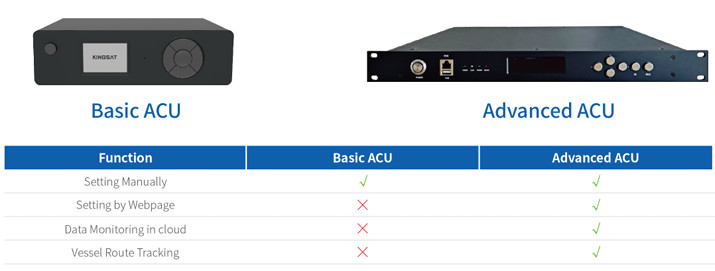
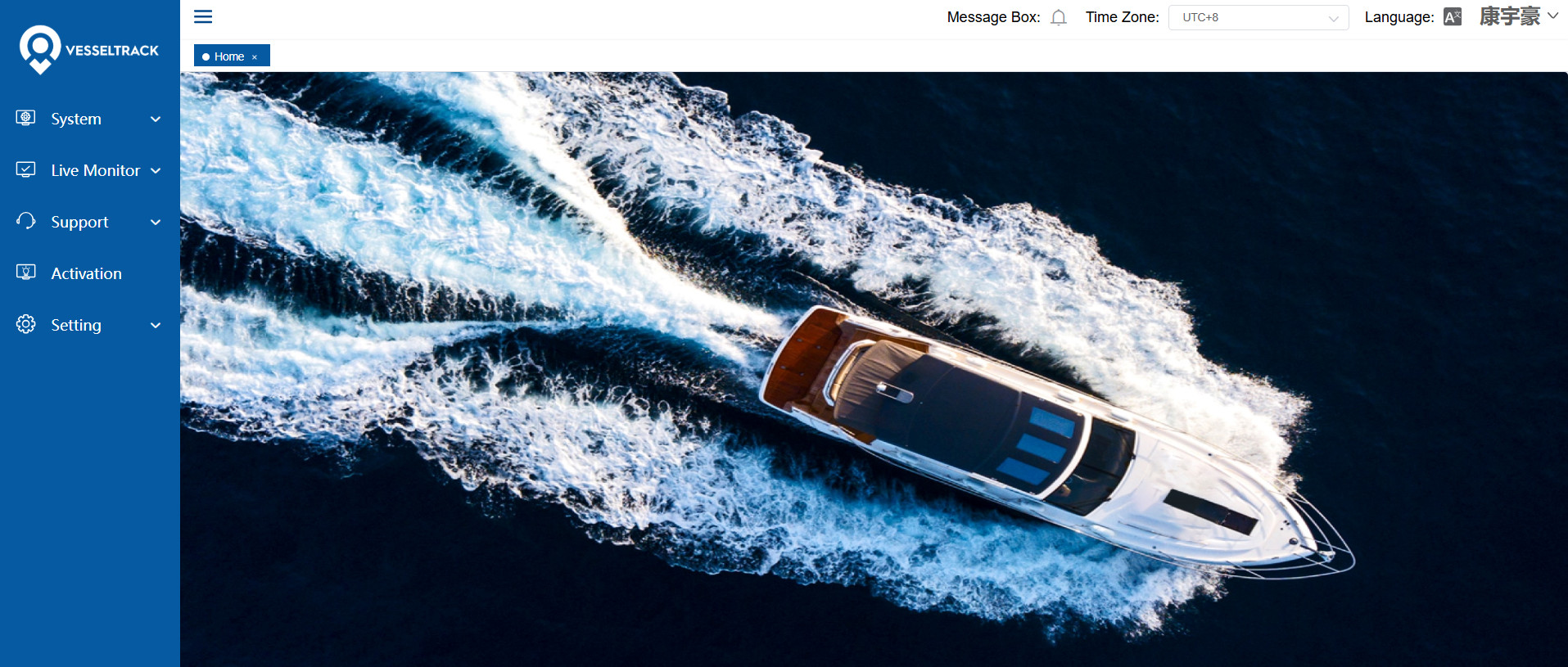
Shore-based managers can log in directly via the web interface to remotely check the antenna's health status and navigation path, and adjust remotely if any issues arise.
Summary:
For ships operating global routes, the 2-axis antenna is the "basic," while the KINGSAT X series 3-axis antenna is the true "all-terrain model." It solves the chronic problem of signal loss over the equator, allowing your ship to watch clear TV from anywhere in the world. If you feel that current antennas near the equator are "not very effective," or if new ships are considering global navigation support, you can come directly to us!
Contact us: sales@kingsat-tech.com Website: www.kingsat-tech.com
YouTube: http://www.youtube.com/@kingsatmaritimeantennas4640